1
A Girl Spies on Mother Teresa
Book of Recreations, Second Recreation (1585). María calls herself “Grace” and converses with “Justa”.
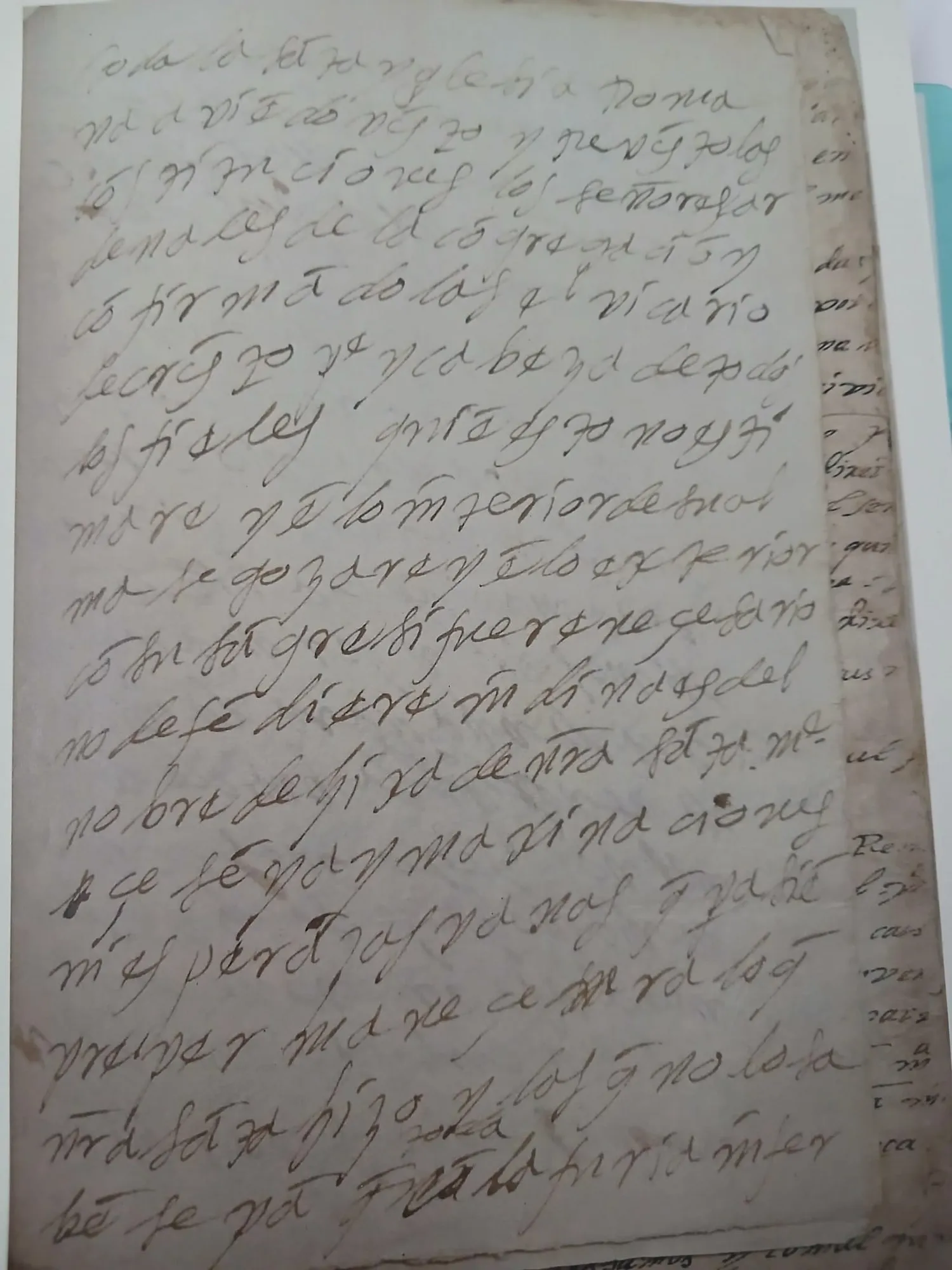
[...] eager to see something of what we understood God was doing with her, we would sometimes watch her through the gap in the door of her cell, where she shut herself in, and we would see her in rapture; and I, with my own eyes, saw her so a number of times, and she came out of it with great dissimulation, for you know, sister, how reserved she always was and with what caution she concealed the great things the Lord communicated to her. [...] At this time the Lord called me to religious life, as I saw and dealt with our Mother and her companions, who moved the very stones with their admirable life and conversation. And what made me follow after them was the gentleness and great discretion of our good Mother. And I truly believe that, if those whose office it is to bring souls to God used the skill and art that that saint used, they would bring many more than they do; for, since our nature is inclined to seek contentment and to flee from toil, to paint virtue and the service of God as harsh and difficult is to frighten the weak, who have not tasted how sweet it is to suffer for Christ.
Book of Recreations, Second Recreation.
When that most blessed day came for me, on which the Lord brought me out of Egypt and I came to religious life, in my twenty-second year, the feast of the glorious Saint Gregory of Nazianzus, whom since that day I hold as my father and refuge, which was in the year one thousand five hundred and seventy, on the ninth of May, I shall not be able to tell, dearest sister, the contentment the Lord gave me from that moment; and to this day, not even as a first impulse, has the thought of repenting or of being discontented crossed my mind; rather, the joy in my soul was so great that often I could not hide my laughter.
3
“To Govern a Soul, to Govern a World”
Counsels Given by One Prioress to Another (1590–1592). The headings of this treatise are the editor’s.
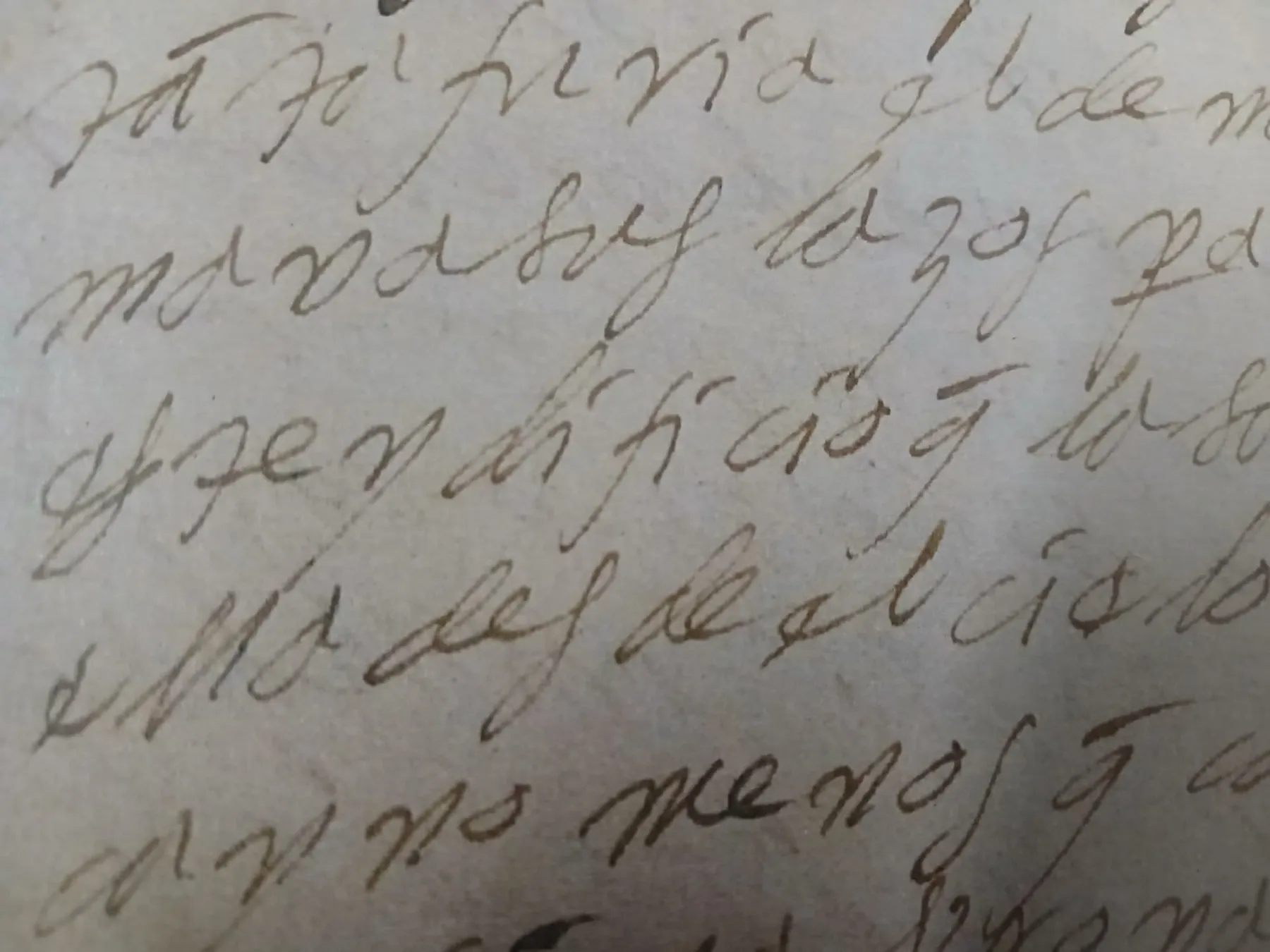
To govern a soul is to govern a world, for so they call man: “a world in miniature”. [...] Will she be a good superior who forgives nothing? No, indeed. Will she be a good superior who punishes nothing? No, indeed. Will she be a good superior who is always merciful? No. Will she be a good superior who is always severe? No. [...] Oh, what an art and science it is to govern extremes! A superior must be gentle and severe, vengeful and forgiving, generous and sparing, meek and wrathful, patient and impatient, simple and shrewd, hasty and slow. And it seems that if any of this is lacking, the clock goes out of order. [...] And so it will be if there is no discretion, for it is discretion that composes all these parts and makes each one serve in its time and be applied according to need; and without discretion, all that has been said, though one have it, not only is of no profit but will even do harm, for it will serve only as many weapons for wounding placed in the hand of a madman. For he will use rigour when gentleness is called for, and will pardon when he ought to punish, and will wound when he ought to heal.
4
Letter from a Poor Imprisoned Discalced Nun
Written in 1593, from her confinement, to her sisters and daughters, “who were distressed to see her thus”.
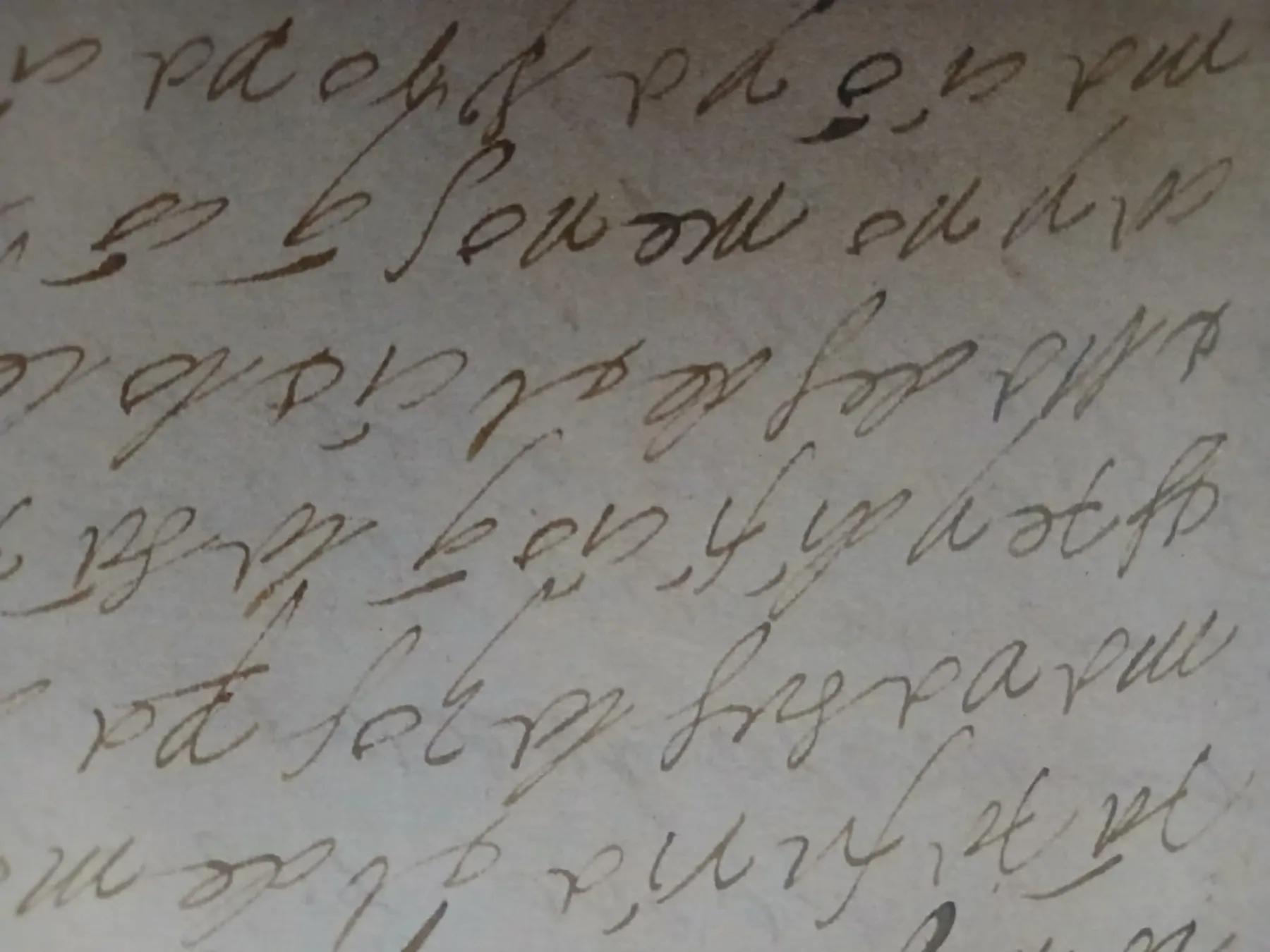
I do not know, my dearest sisters and daughters, whether, giving way to a woman’s passion and tenderness, I should join in your tears, or, following the light of the heart, complain of your grief; for it does not accord with the law of the close friendship we bear one another that you should weep over what makes me laugh, or lodge complaints against one who does me favours. [...] But I ask you again, dearest ones: Why are you troubled? Are you perhaps unaware of the glory and riches of tribulation, or does it seem to you something new and unaccustomed among the children of Adam to be afflicted?
[...] And returning to my good, I ask you, beloved daughters, not to grieve at seeing me shut in here, nor to be distressed that all the doors of human means to my freedom are closed, [...] for he who can remedy it is not absent. He sees it and permits it, and perhaps even rejoices to see me, to see our patience; with him you can speak; to him you can present me, and with him you will be able to help me. [...] They [the imprisoned saints] among cruel enemies, I among loving sisters; they in infamous prisons, I in a corner of heaven where I am visited with such tenderness by the angel they gave me for a guard. [...]
And should it come before I leave this prison, I want my beloved daughters and dear sisters to know that I die content, saying what my glorious father Saint Gregory of Nazianzus said: Then shall I see myself avenged, when those who persecute me are saved. So be it. Amen. [...] Pray, dearest ones, for this your sister and servant, María. Laus Deo.
A Nosegay of Myrrh (1595), commentary on the verse of the Song of Songs 1:12.
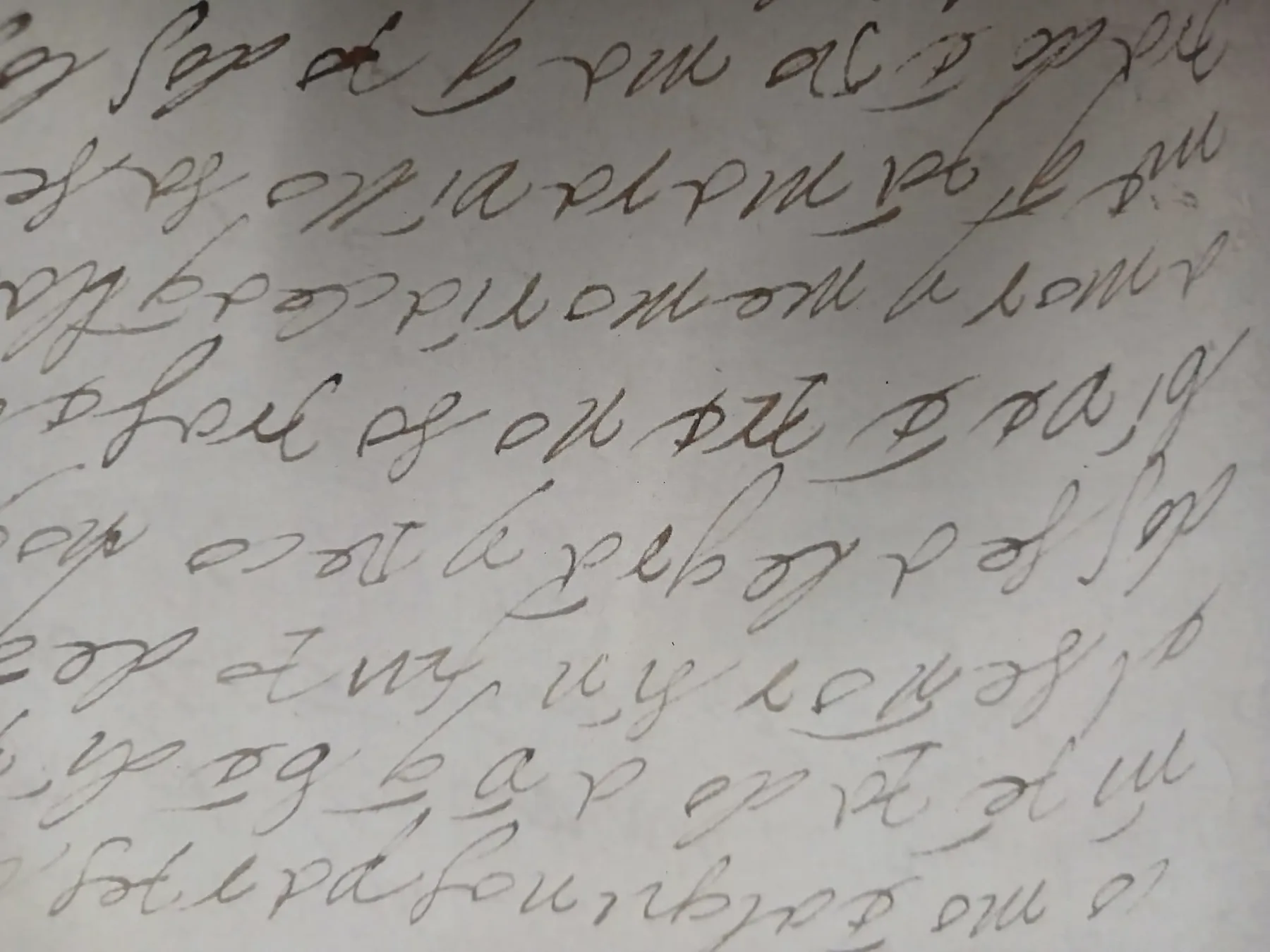
A nosegay of myrrh is my Beloved to me; I will place him between my breasts. What is this, holy bride? Do you call the Beloved a nosegay of bitter myrrh? [...] See that the Bridegroom is not of Adam’s condition, that you should go with him to eat of the sweet apple; he is Christ Jesus, who pays for that sweetness with the bitterness and torment of the cross; and if you are to give him your hand as a bride, the nail must join it to his. He is a Bridegroom of blood. [...] His finery is mockery; his honours, insults; his delights, scourges; his music, blasphemies; his food, gall; his crown, thorns. [...]
O my good Lord! It is no wonder that you should be myrrh to us, since we were gall to you; and, tasting it, you willed to take from the daughters of Eve the taste of the apple that our mother ate. Oh, how happy and blessed is the bride to whom you are myrrh placed between the breasts; and who will be able to tell how much delight and sweetness there is in this which bears the name of bitter!
“She asks her eyes for tears” (Toledo, 1562).
If any good you are to do me,
eyes, it must be to weep;
for sorrow makes me glad,
and pleasure makes me sad.
Do not be startled by this taste,
nor judge it a palate spoiled:
for all my care is set
on seeking pain and grief.
“Now wholly the Beloved’s” (Malagón, 1571).
In the world and its language there is nothing now
that gives me joy, for it is vain:
I fear one thing alone, to offend
my sweet Jesus, sovereign King,
for life is now a weariness to me,
and every delay is inhuman
torment, a harsh prison: captive
it holds me, so far parted from my good.
But when the soul has reached its centre
where love takes up its seat, and, kindled
in loving fire, in a moment
the love that gives it life transforms it,
beside itself, with lofty understanding,
received in the divine embrace,
it says: My sweet Beloved, now I am yours,
let your right hand embrace my head.
“I have no care”. Easter 1593, in the convent prison of Lisbon (Portugal).
Since my Redeemer is risen again,
for my freedom I have no care.
To see him glorious I am content;
brief is this life, and of small account.
I wished the prize to be the greater,
for my freedom I have no care.
It is not right that weeping and moaning should sound today,
since we see our Beloved rejoicing.
From the sleep of death today he has arisen,
for my freedom I have no care.
Prostrate, I give him my whole heart;
let my Lord take free possession.
For this good alone I have always longed:
for my freedom I have no care.